Section 5: Modern Edge
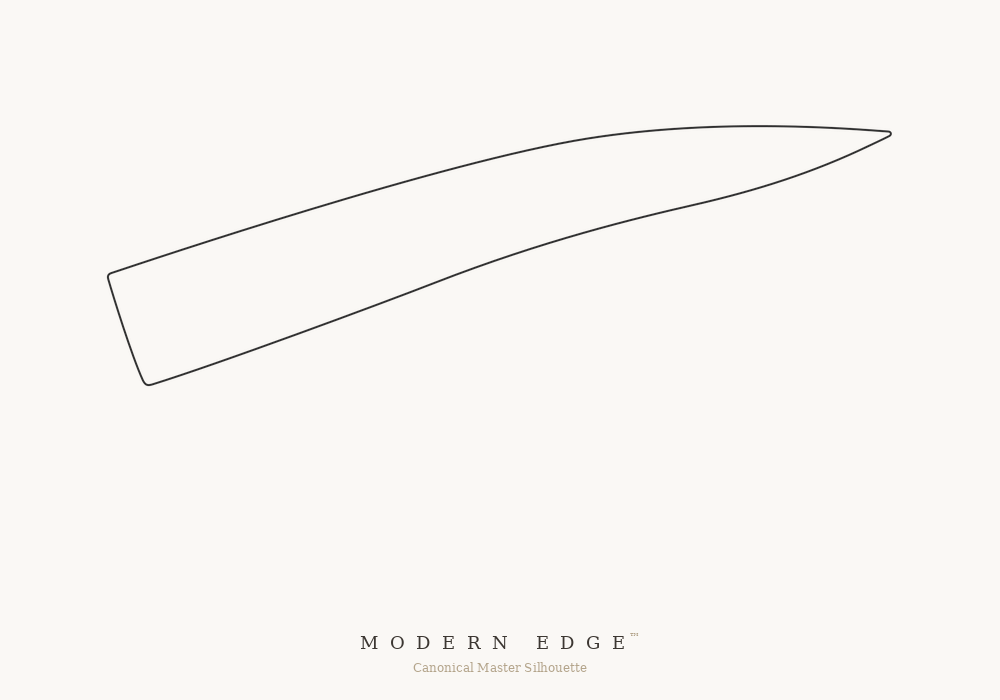
Model Overview
The Modern Edge model represents the furthest departure from Classic within the VELONÉ system. It is defined by planar angularity, deliberate convergence, and structural contrast. Where other models seek integration or correction, Modern Edge acknowledges its own construction. The brow does not pretend to be natural — it presents as intentionally designed.
This is not a model for every client or every context. Modern Edge requires faces that can carry architectural definition without appearing harsh, and clients who actively want their brows to make a statement. It is the most stylistically committed model in the system, and the one most likely to date if trends shift.
Practitioners who deploy Modern Edge without understanding its architectural logic create results that appear severe, costume-like, or disconnected from the face. The model demands precision — both in execution and in client selection. When the alignment exists, the result is striking and intentional. When it doesn't, the result overwhelms.
Visual & Flow Philosophy
The Modern Edge silhouette is characterised by planar segmentation and apex definition. Unlike the flowing transitions of Soft Harmony or the progressive lift of Elevated, Modern Edge treats each zone as a distinct geometric plane. The apex is not a soft peak — it is a hinge point where the ascending plane meets the descending plane.
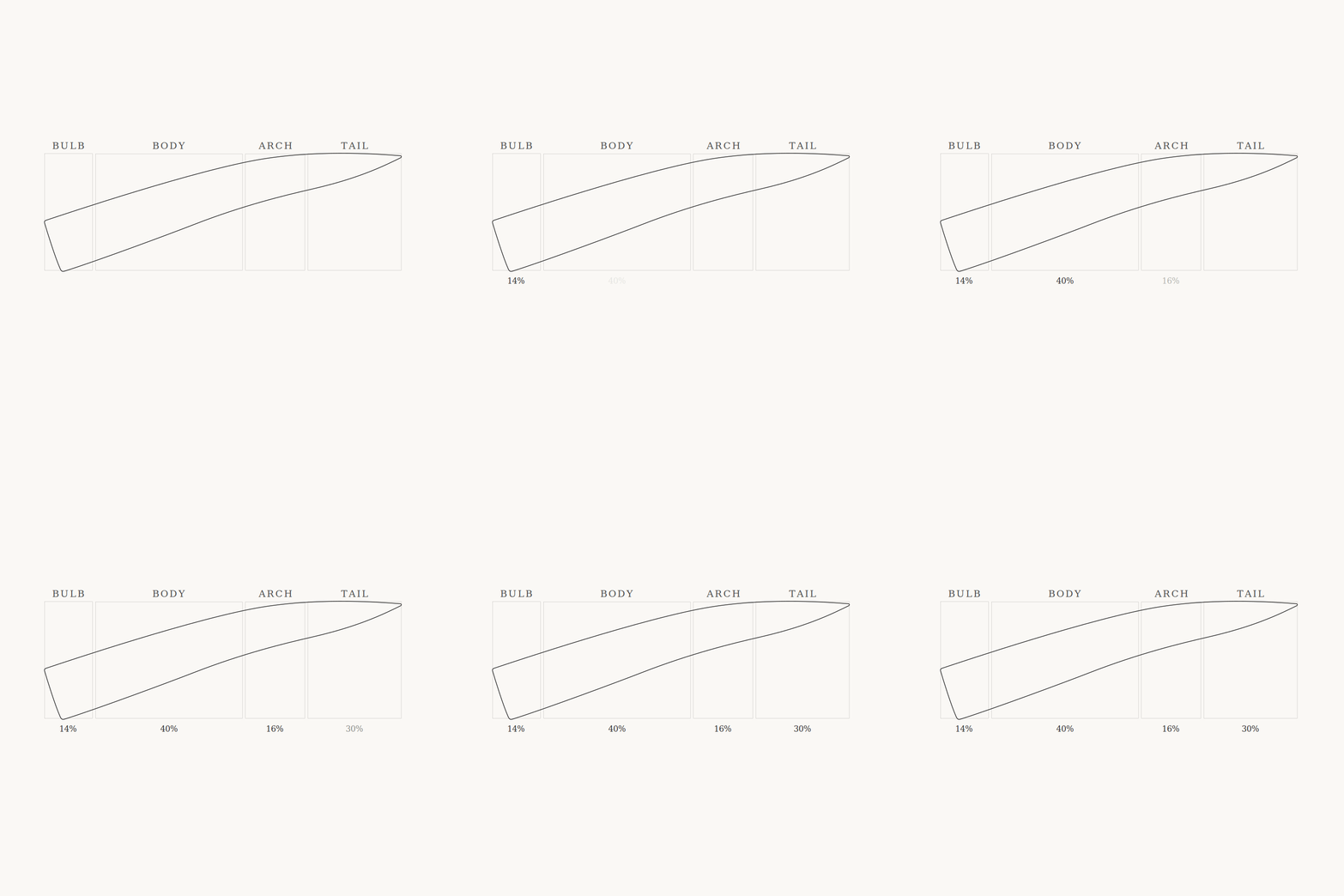
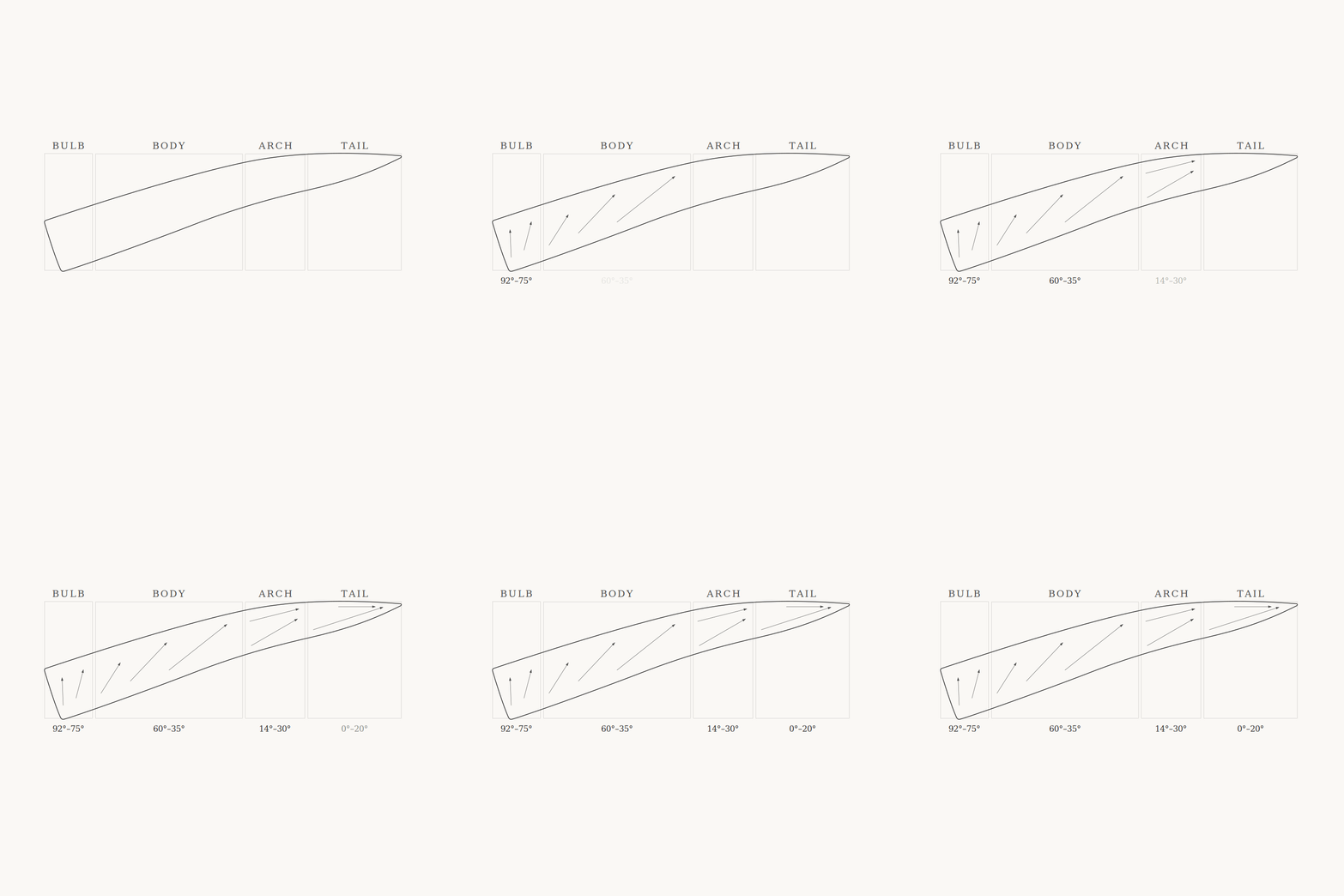
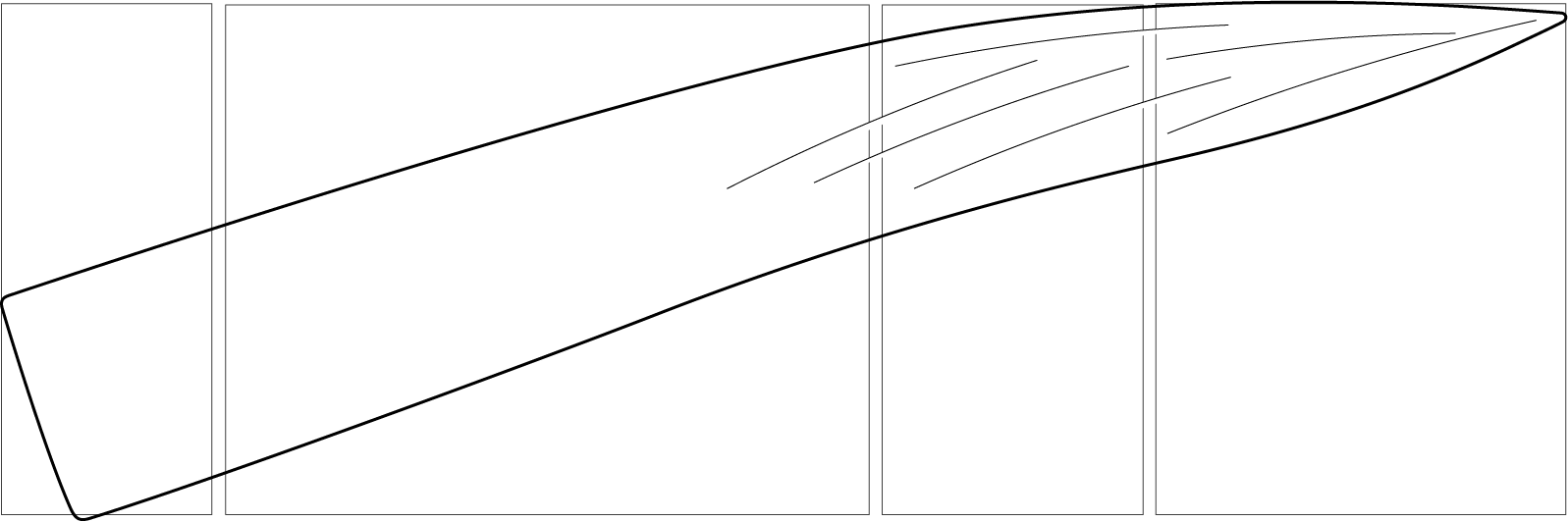
Stroke direction in Modern Edge execution follows planar logic. Through the bulb and body, strokes angle progressively toward the apex. At the apex, direction shifts decisively. Through the tail, strokes follow the angled plane with graphic clarity. There is no ambiguity about where the brow is going.
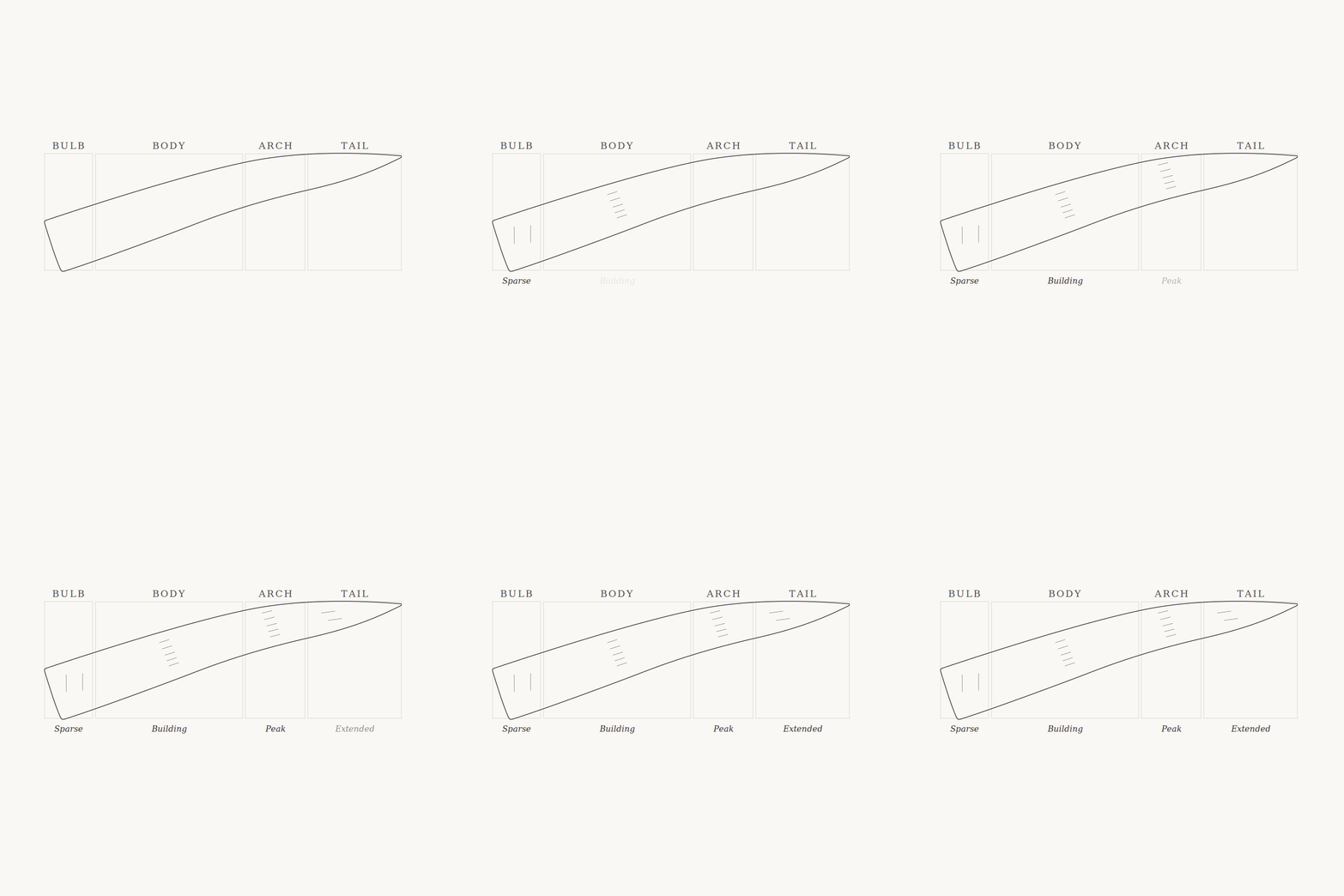
Density in Modern Edge supports structural definition. The apex zone carries sufficient density to anchor the angular break. Edges are clean and defined — not feathered into ambiguity. The tail terminates with graphic precision rather than gradual fade. Every element reinforces the architectural intent.
When the Model Works Best
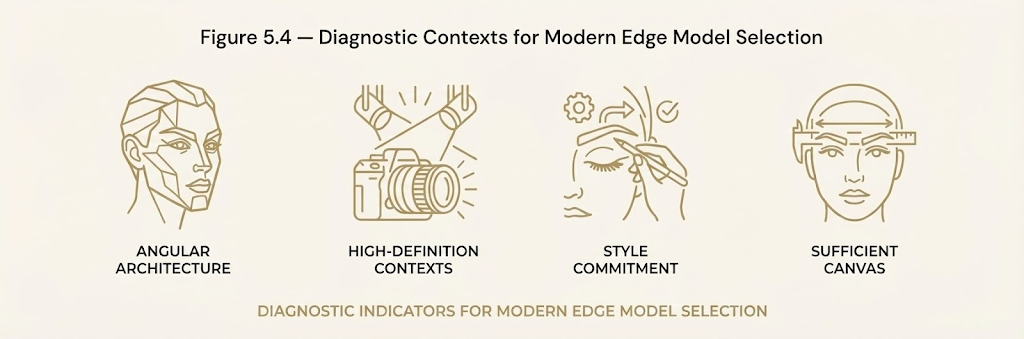
Angular Facial Architecture
Modern Edge is diagnostically indicated when the face already carries angular structure — defined cheekbones, strong jawline, geometric features. The brow echoes and amplifies what the bone structure establishes. On softer, rounder faces, Modern Edge creates visual dissonance rather than harmony.
High-Definition Contexts
Clients who operate in visual contexts — photography, performance, fashion, media — may benefit from the graphic clarity Modern Edge provides. The model reads well on camera and maintains definition at distance. It is designed to be seen.
Deliberate Style Commitment
Unlike models that aim for timeless integration, Modern Edge makes a stylistic statement. Clients must understand and embrace this. The consultation process for Modern Edge should explicitly address the model's intentional, constructed aesthetic. This is not a brow that will "look like you were born with it."
Sufficient Canvas
The architectural complexity of Modern Edge requires adequate space for execution. Clients with very short brow spans or limited vertical space may not accommodate the full planar segmentation the model requires. The diagnostic includes spatial assessment.
How the Model Is Worn
In daily wear, Modern Edge presents as polished and intentional. It does not attempt to blend into the face — it defines it. This requires a client whose personal style aligns with visible grooming and deliberate presentation.
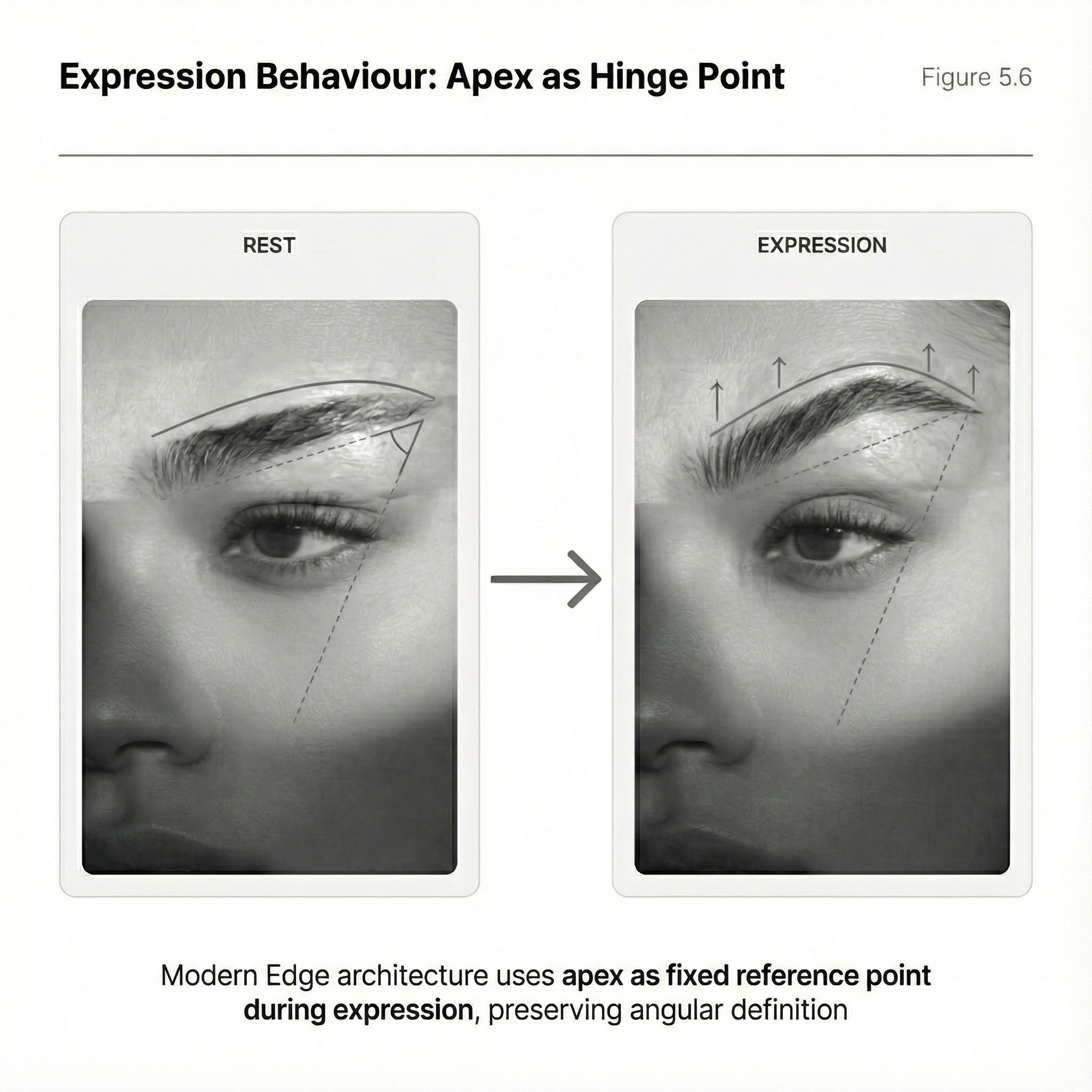
Expression behaviour in Modern Edge maintains structural definition. The apex acts as a hinge point — it may rise or fall with expression, but the angular break persists. The planar relationship between zones remains legible through facial movement. The architecture holds.
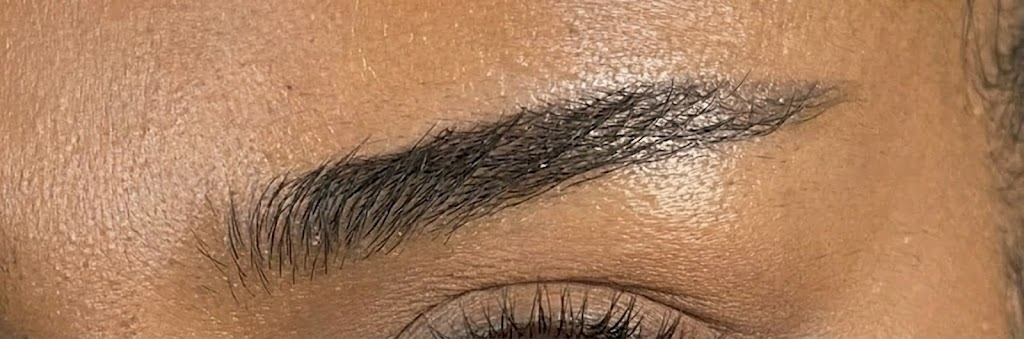
Longevity considerations are significant for Modern Edge. The model's defined edges and precise apex require consistent density to maintain crispness over time. Underdensity leads to edge blur, which undermines the entire architectural premise. Touch-up strategy should anticipate maintaining edge definition as a priority.
This is why Modern Edge requires client commitment. The model is not forgiving of ambivalence. Clients who want "something a little edgy but still natural" are not Modern Edge candidates. The model demands full embrace of its constructed aesthetic.
Understanding Variations
Within Modern Edge, calibration responds to the degree of angularity appropriate for the face and context. These variations maintain planar logic while adapting intensity.
Apex Angle Modulation
The sharpness of the apex break can be calibrated. A more acute angle creates dramatic definition. A slightly softened angle maintains architectural clarity while reducing severity. Both remain within Modern Edge logic as long as the planar break is legible.
Tail Crispness
The tail's termination can range from razor-precise to slightly refined. Maximum crispness creates the most graphic effect. Moderate crispness maintains definition while allowing minor softness at the very end. The tail should never fade — it should conclude.
Edge Definition
The clarity of upper and lower brow edges can be calibrated. Maximum definition creates the most constructed appearance. Moderate definition maintains architectural intent while allowing the edges to integrate slightly more with surrounding skin.
Transitioning Between Models
Understanding Modern Edge in relation to other models clarifies its position as the system's most architecturally committed option.
From Classic to Modern Edge
This represents the largest transition in the system. Classic's parallel flow becomes convergent. Classic's gradual transitions become planar breaks. Classic's soft resolution becomes graphic termination. Every element shifts from organic to architectural.
From Elevated to Modern Edge
Both models share apex presence, making this a more natural transition. The difference is in treatment: Elevated's apex is a structural culmination within a flowing form; Modern Edge's apex is a geometric hinge between distinct planes. The transition sharpens and segments what Elevated smooths and connects.
When Modern Edge is Not Indicated
Soft, round facial structures do not support Modern Edge well. Clients seeking natural or subtle results are not candidates. Contexts requiring versatility or understated presentation are better served by other models. Modern Edge is a specialist tool for specific applications — not a flexible framework.
Modern Edge is an architectural statement. It celebrates the brow as a designed element, not a natural feature enhanced. When face and client align with this premise, the result is powerful and distinctive. When alignment is absent, the result is a brow that fights the face rather than defining it.