Section 2: Soft Harmony
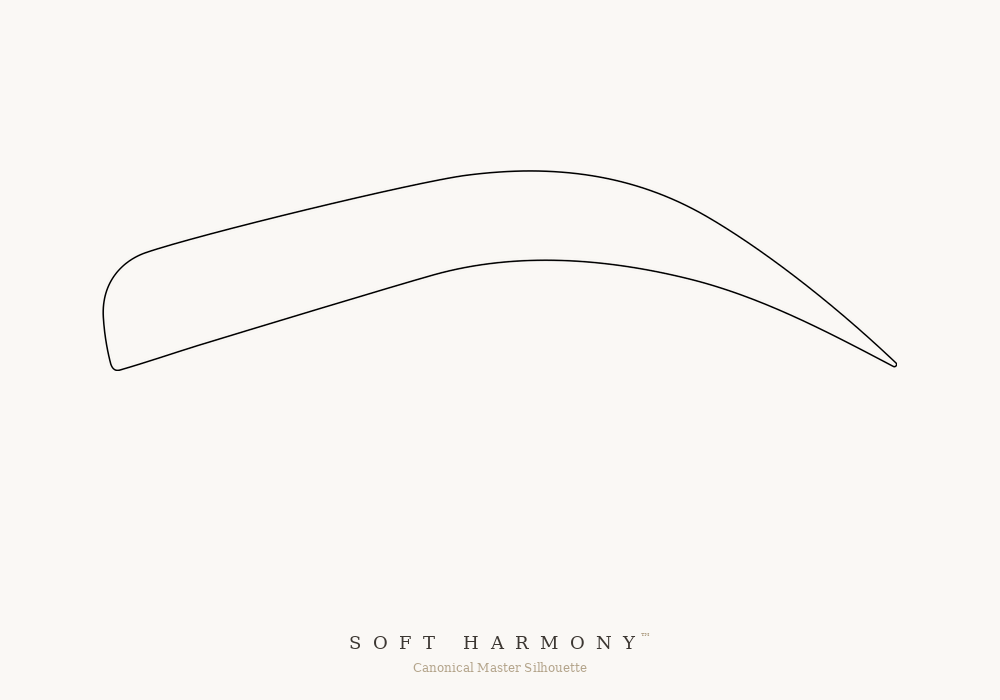
Model Overview
The Soft Harmony model addresses faces that carry natural angularity — sharp bone structure, prominent features, or geometric facial planes that benefit from visual softening. It is not a correction of the face but a complement to it. Where angular features create visual tension, Soft Harmony introduces curves that distribute that energy across the brow.
This model sits between Classic's structural neutrality and Elevated's intentional lift. It shares Classic's horizontal emphasis but introduces deliberate curvature that Classic avoids. The result is a brow that feels integrated rather than imposed — as if the softness was always present in the facial architecture.
Practitioners who misapply Soft Harmony — using it on faces that already carry sufficient softness — create results that read as overly rounded, juvenile, or lacking definition. The model requires diagnostic justification. When that justification exists, the result appears inevitable rather than styled.
Visual & Flow Philosophy
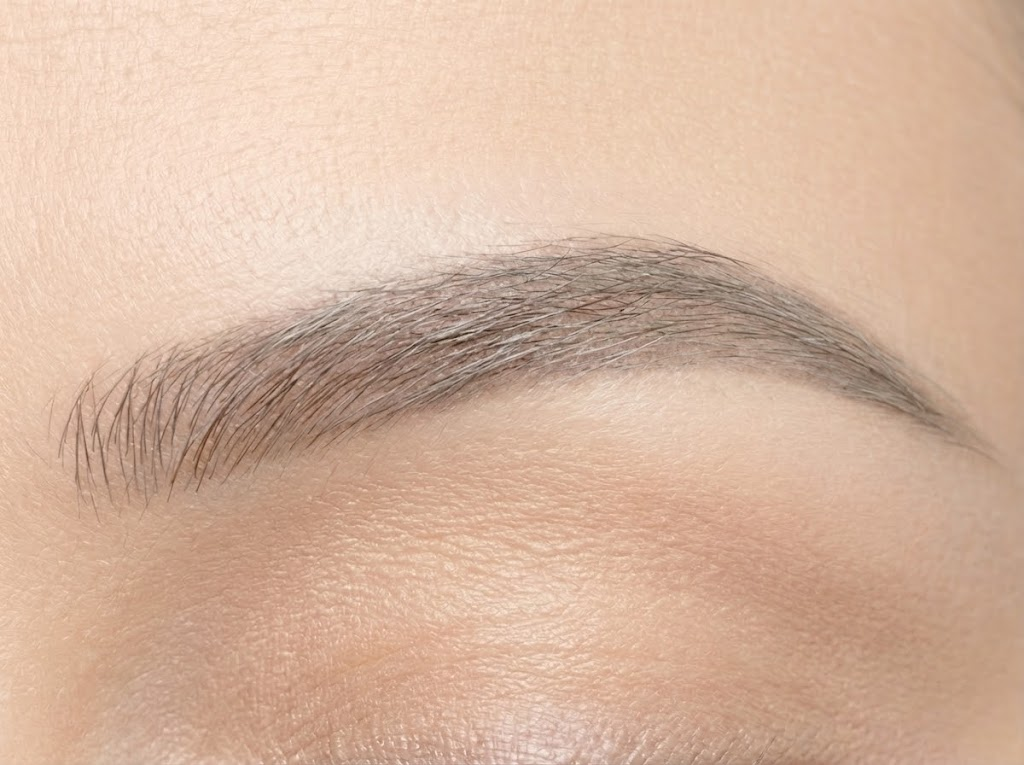
The Soft Harmony silhouette is characterised by continuous curvature. Unlike Classic's linear transitions, every zone boundary in Soft Harmony carries a gentle arc. The bulb rounds into the body. The body curves through the arch. The arch flows seamlessly into the tail. There are no angular breaks.
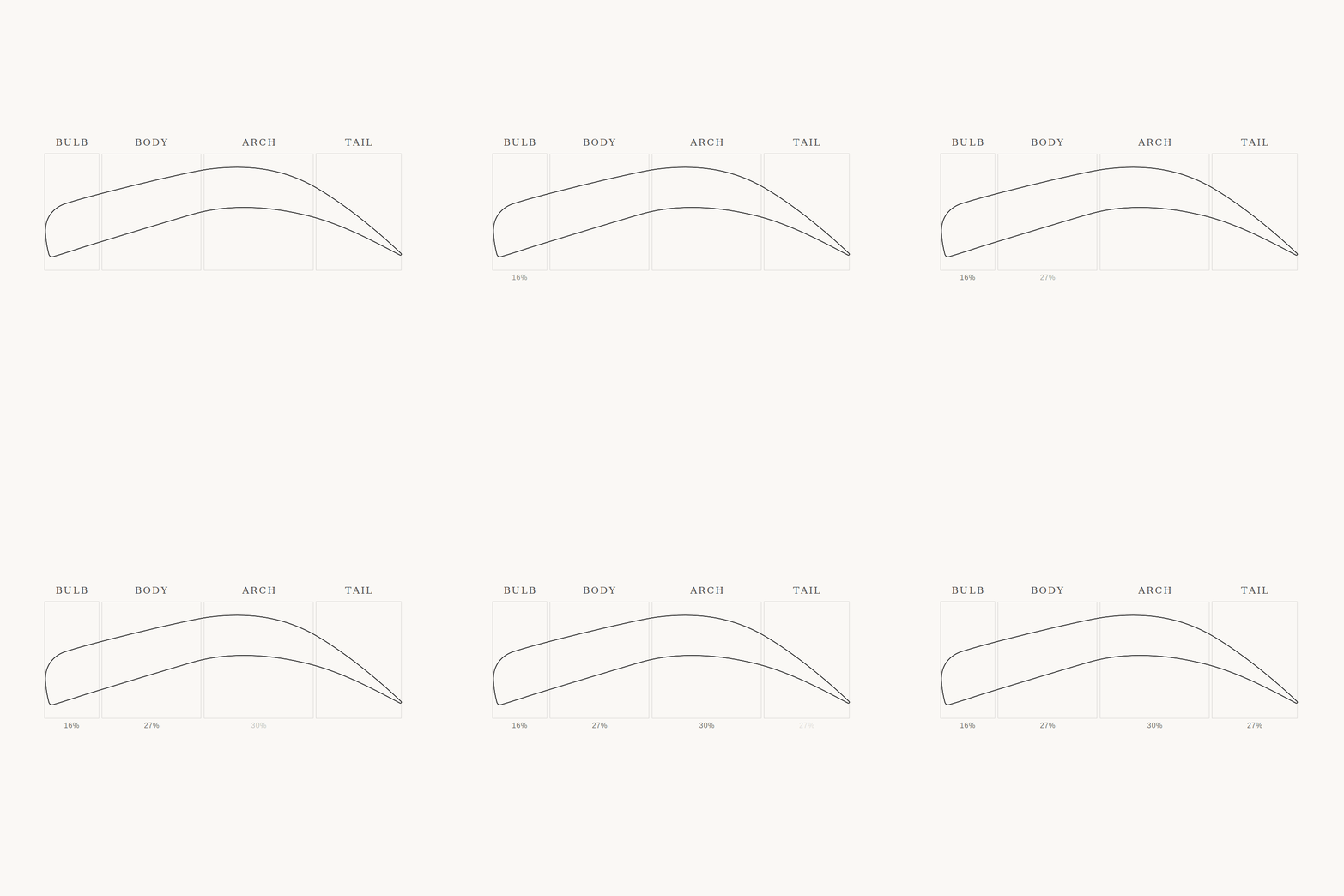
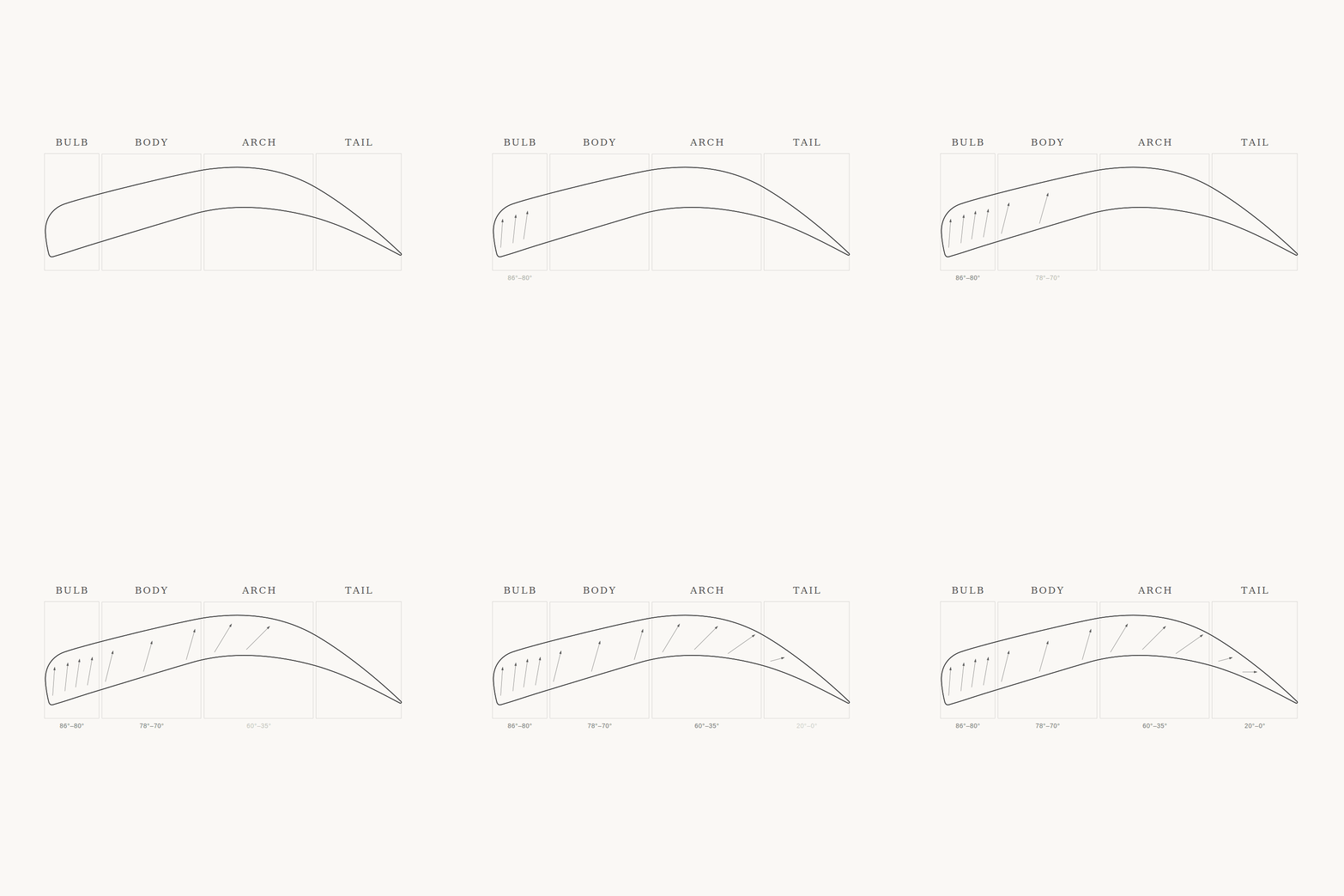
The arch zone in Soft Harmony is present but subdued. Unlike Elevated's pronounced apex or Classic's gentle inflection, Soft Harmony's arch is a continuous curve — the highest point exists but does not announce itself. This creates the impression of natural lift without architectural intention.
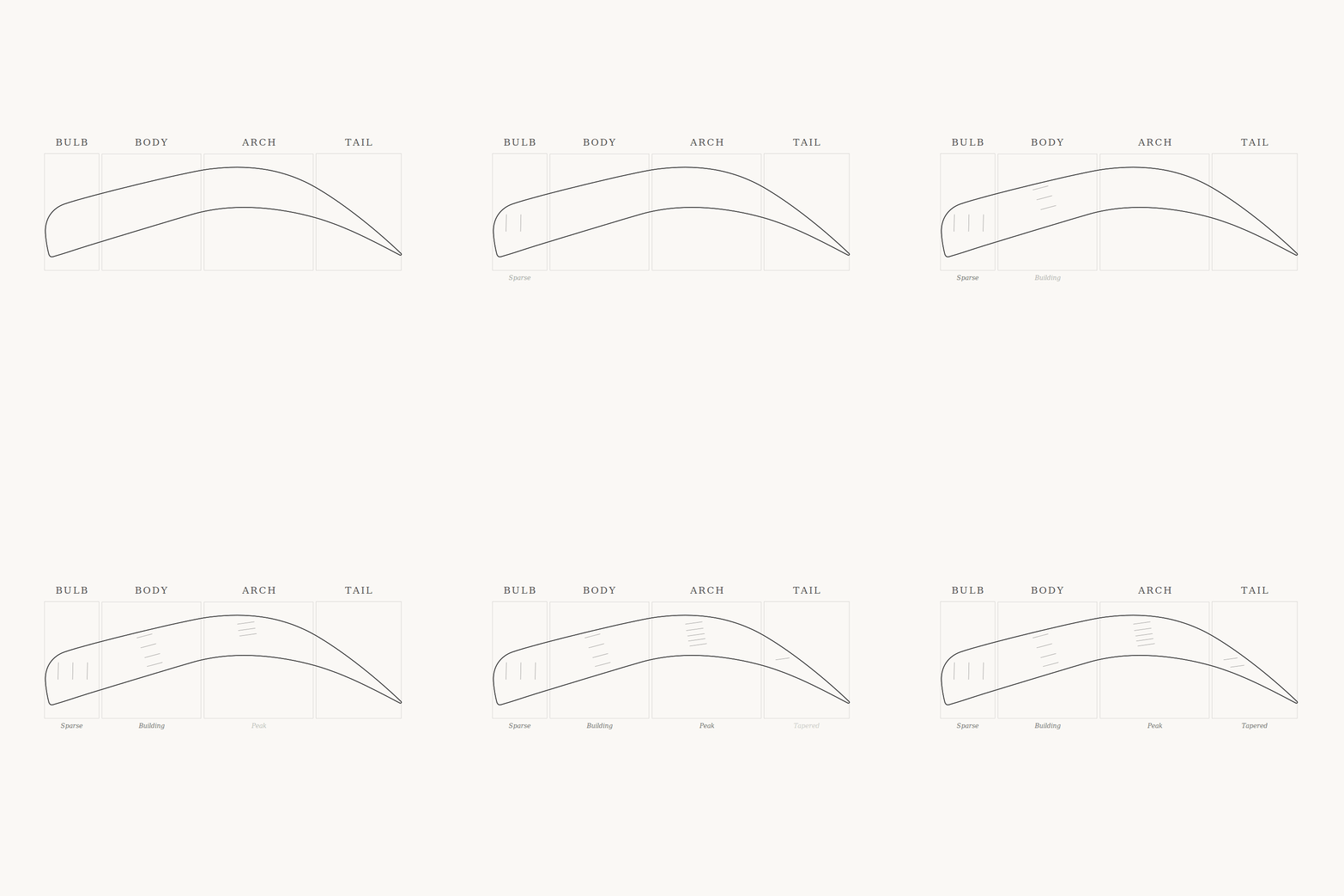
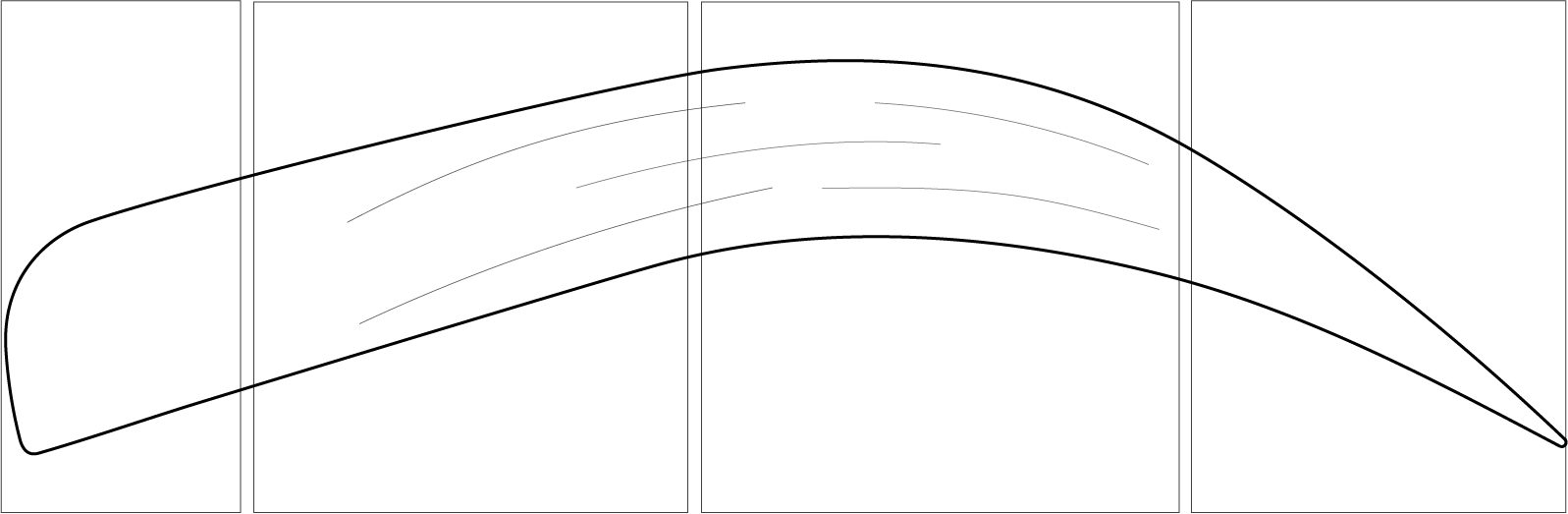
Density in the Soft Harmony model supports the illusion of natural growth. The bulb carries soft, diffused density that avoids hard starts. The body builds gradually without aggressive saturation. The arch holds sufficient weight to maintain the curve, and the tail graduates with particular care — ending too abruptly would contradict the model's fundamental softness.
When the Model Works Best
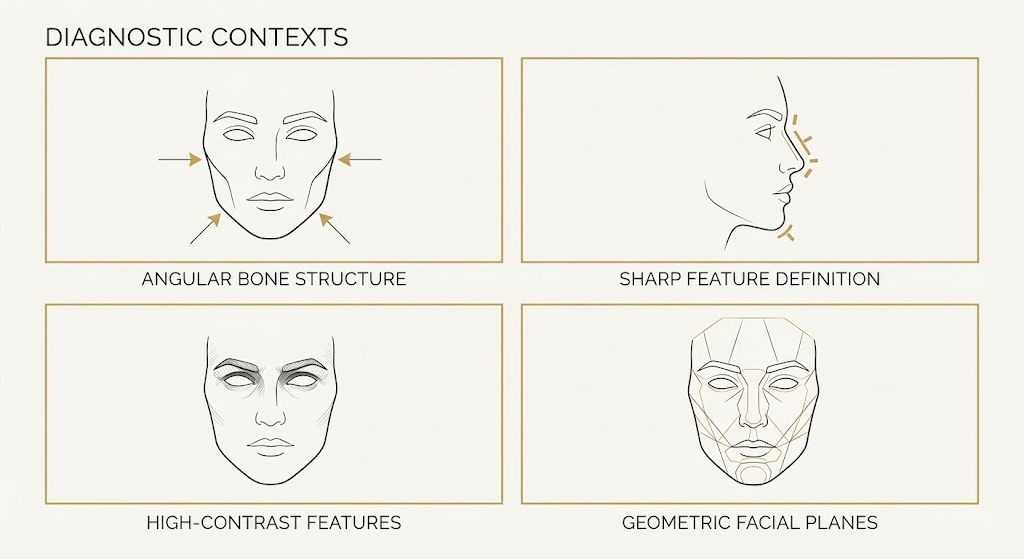
Angular Bone Structure
Clients with prominent cheekbones, strong jawlines, or defined orbital ridges often benefit from the softening effect of curved brow architecture. The Soft Harmony model introduces visual counterbalance — curved lines that offset the face's inherent geometry without attempting to disguise it.
Sharp Feature Definition
Some faces carry sharpness in specific features — a pointed chin, angular nose, or defined brow bone. Soft Harmony addresses this by creating a frame that feels gentler than the features it surrounds. The brow becomes a softening element in the overall composition.
High-Contrast Features
When facial features create strong visual contrast — deep-set eyes, prominent brow ridges, or significant planes between facial zones — Soft Harmony can bridge these transitions. The curved architecture creates visual flow where angular features might otherwise fragment the face's appearance.
Mature Faces Seeking Softness
As faces age, they often lose subcutaneous volume while bone structure becomes more prominent. Soft Harmony can restore some of the visual softness that volume loss removes, creating a more integrated appearance without the lift energy of the Elevated model.
How the Model Is Worn
In daily wear, the Soft Harmony brow presents as naturally curved and effortlessly soft. It does not read as rounded or overly stylised — it reads as organically shaped for the face it serves. This subtlety requires careful calibration of curve intensity throughout every zone.
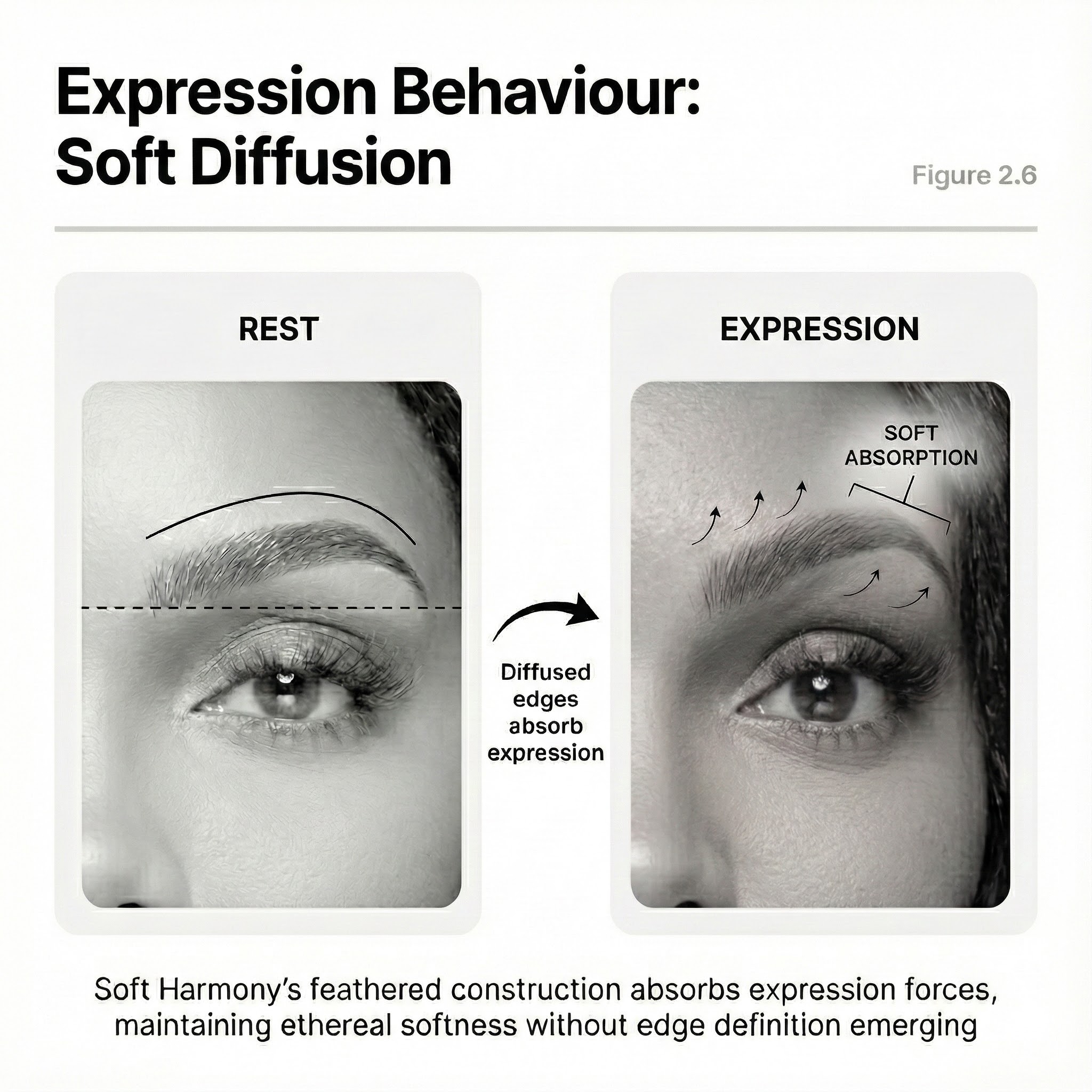
Expression behaviour in Soft Harmony reveals the model's structural integrity. When the client raises their brows, the curves should lift proportionally while maintaining their continuous arc. When they furrow, the curves compress without flattening into angular segments. The softness persists across emotional states.
Longevity in Soft Harmony execution depends on appropriate curve placement. Because the model relies on continuous arcs rather than angular transitions, any healed migration that creates gaps or flat spots will be more visible than in other models. Density must be sufficient to maintain curve definition over time.
Client perception is typically positive when the diagnostic indication exists. Clients often describe their Soft Harmony brows as "natural," "flowing," or "effortless" — language that reflects the model's intent. When clients describe results as "rounded" or "curved," this may indicate over-application of the model's principles.
Understanding Variations
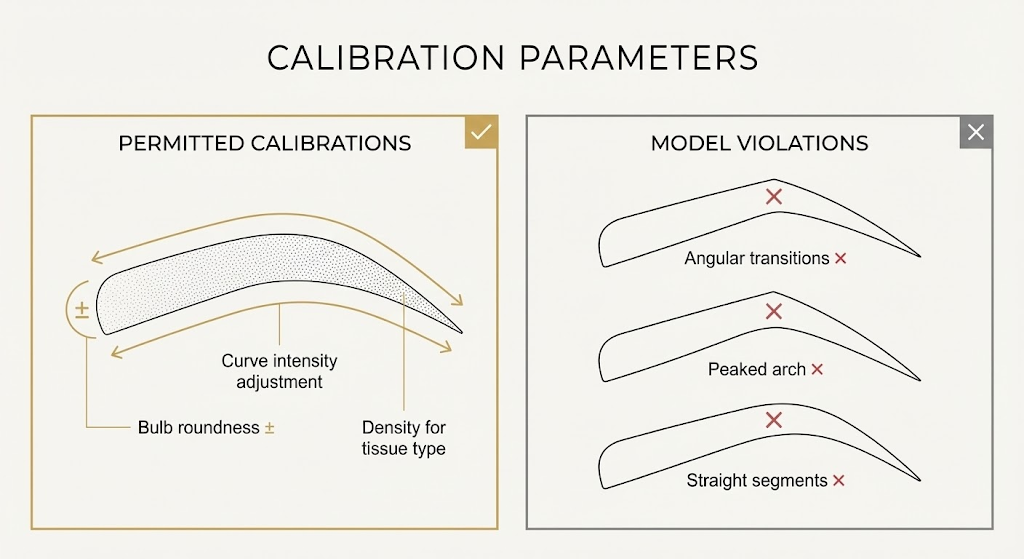
Within the Soft Harmony model, calibration responds to the degree of softening required and the facial context receiving it. These are not separate styles — they are diagnostic responses to varying degrees of the same underlying indication.
Subtle Softening
Appropriate when the face carries moderate angularity that benefits from gentle curve introduction. The arcs are present but understated. Zone transitions carry slight curves rather than dramatic rounds. This calibration suits clients who need integration without overt softness.
Full Harmony
Indicated when significant softening is required to balance pronounced angular features. The curves are more apparent throughout. The bulb carries fuller roundness. The arch zone maintains continuous curvature with greater emphasis. This calibration serves faces where angular structure dominates and requires substantial counterbalance.
Tissue Considerations
Soft Harmony calibration must account for skin texture and density retention. Clients with oilier skin may need adjusted density to maintain curve definition. Those with thinner tissue may require lighter saturation to prevent curves from appearing too heavy or defined.
Transitioning Between Models
Soft Harmony shares boundaries with both Classic and Elevated. Understanding these transitions helps practitioners make precise diagnostic decisions.
Soft Harmony → Classic
When a client's angularity is minimal or when they prefer structural definition over softness, Classic may be more appropriate. The transition involves reducing curve intensity throughout all zones — straightening the bulb-to-body transition, flattening the arch curve, and creating more linear tail resolution.
Soft Harmony → Elevated
When a client requires lift in addition to softness — perhaps they have both angular features and hooded lids — Elevated may be more appropriate. The transition involves maintaining some curve quality while introducing progressive verticality and apex definition.
Hybrid Considerations
Some faces present with competing indications — angularity that suggests Soft Harmony and vertical compression that suggests Elevated. In these cases, practitioners must identify the primary diagnostic need. Which problem, if solved, would create the greater improvement? The answer guides model selection.