Section 2: Brow Style Architecture
2.1 The Five VELONÉ Style Families
The VELONÉ system organises all brow architectures into five canonical style families. These families are not trends or fashions—they are structural categories defined by measurable parameters: zone proportions, directional flow, density distribution, and apex positioning.
Every brow created under the VELONÉ method belongs to one of these families. The technician's role is to identify which family best serves the client's facial structure, lifestyle, and aesthetic goals—then execute that family's parameters with precision.
The five families are:
- Classic — The Timeless Architecture Brow
- Soft Harmony — The Airbrushed, Feather-Soft Brow
- Expressive — The Artistic, Editorial Brow
- Elevated — The Modern Luxe, Lifted Brow
- Modern Edge — The Graphic, Architectural Brow
Each family has a distinct visual signature, structural logic, and ideal client profile. The following sections detail the defining characteristics of each.
2.2 Classic — The Timeless Architecture Brow
Visual Signature
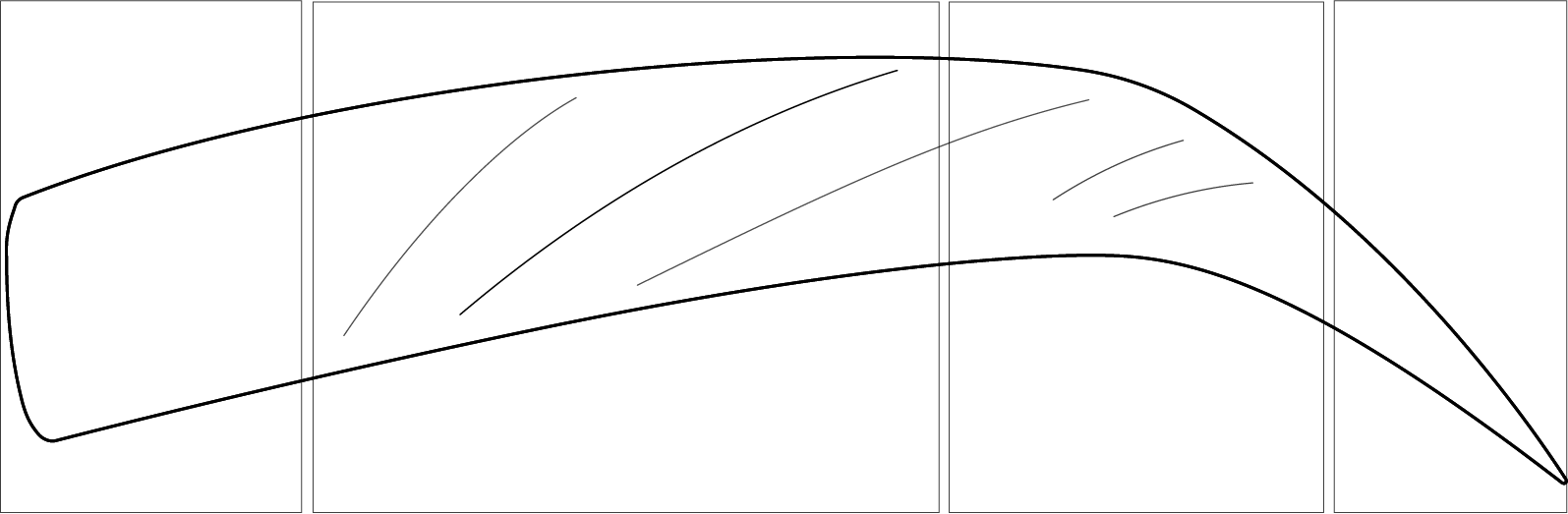
The Classic brow is defined by parallel flow—strokes maintain consistent angular relationships from head to tail. There is no convergence, no radiation. The result is a brow of quiet rhythm and structural harmony.
The Classic silhouette features a moderate arch positioned at approximately 65-70% of brow length. The tail descends gently, terminating at or slightly above the baseline established by the head's inferior boundary.
Zone Characteristics
- Zone 1 (Head): Soft, diffused origin with near-vertical strokes angling slightly outward (75-85° from horizontal)
- Zone 2 (Body): Parallel strokes at 25-35° from horizontal, maintaining consistent rhythm
- Zone 3 (Tail): Continued parallel trajectory with progressive taper, strokes at 15-25° from horizontal
Ideal Client Profile
The Classic family serves clients who:
- Prefer understated elegance over dramatic statement
- Have balanced facial proportions without significant asymmetry
- Work in conservative professional environments
- Desire a result that enhances without transforming
Technical Considerations
The Classic family demands exceptional consistency. Because all strokes follow the same angular logic, any deviation is immediately visible. The technician must maintain unwavering stroke discipline throughout execution.
2.3 Soft Harmony — The Airbrushed, Feather-Soft Brow
Visual Signature
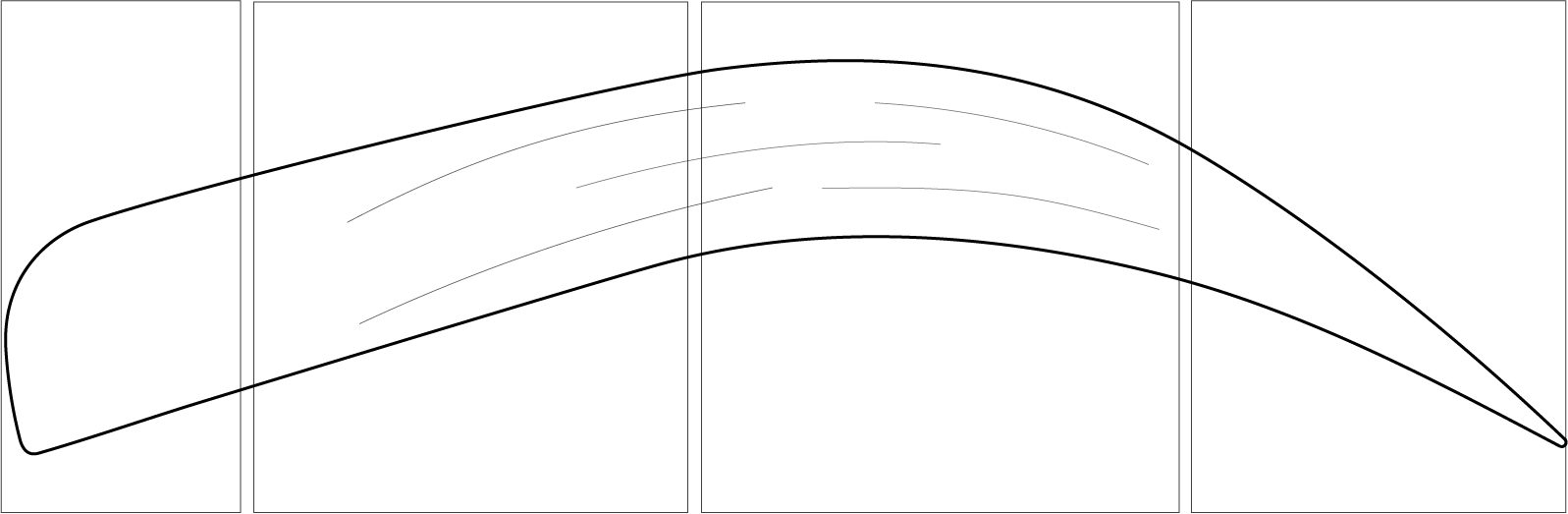
Soft Harmony is characterised by gentle radiating flow that creates an airbrushed, diffused appearance. Strokes originate from a soft arc in the head zone and gradually unify into near-parallel alignment through the body.
The arch is understated—a gentle curve rather than a defined peak. The overall impression is of natural fullness without architectural assertion.
Zone Characteristics
- Zone 1 (Head): Soft radiation from the lower medial region, fan angle range 60-85° from horizontal
- Zone 2 (Body): Gradual unification into near-parallel alignment, 25-40° from horizontal
- Zone 3 (Tail): Whisper-light strokes maintaining near-parallel flow, soft fade to terminus
Ideal Client Profile
Soft Harmony serves clients who:
- Desire a "no-makeup makeup" aesthetic
- Have naturally sparse brows requiring subtle enhancement
- Prefer soft, feminine presentation
- Want results that appear entirely natural
Technical Considerations
Soft Harmony requires the lightest touch. Density must remain low throughout, and pressure must be carefully controlled to achieve the feathered effect. Over-working any zone destroys the family's essential character.
2.4 Expressive — The Artistic, Editorial Brow
Visual Signature
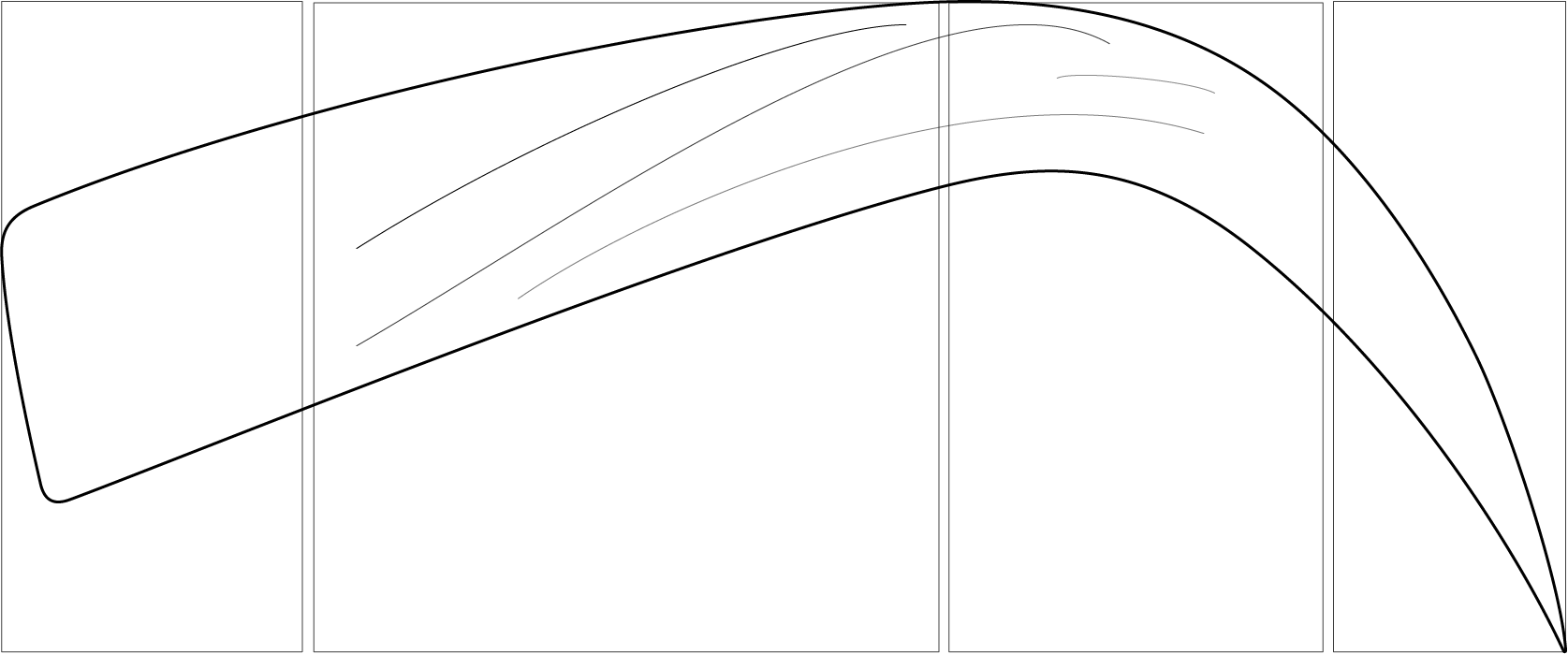
The Expressive brow features sharp radiating flow—strokes fan dramatically from the medial origin, creating energy and movement. This is the most dynamic of the five families.
The arch may be pronounced or subtle depending on execution, but the defining feature is always the visible radiation in the head zone. The brow appears to have motion, direction, and intention.
Zone Characteristics
- Zone 1 (Head): Sharp radiation from medial origin, fan angle range 45-85° from horizontal (pronounced fan)
- Zone 2 (Body): Rapid unification with high-energy alignment, 20-40° from horizontal
- Zone 3 (Tail): Powerful, intentional completion with strong definition
Ideal Client Profile
Expressive serves clients who:
- Work in creative or artistic fields
- Embrace bold, statement-making aesthetics
- Have strong facial features that can support dramatic brows
- Want their brows to be a focal point
Technical Considerations
The Expressive family requires confident, decisive strokes. The radiation must appear intentional, not accidental. Hesitant execution produces chaos rather than artistry.
2.5 Elevated — The Modern Luxe, Lifted Brow
Visual Signature
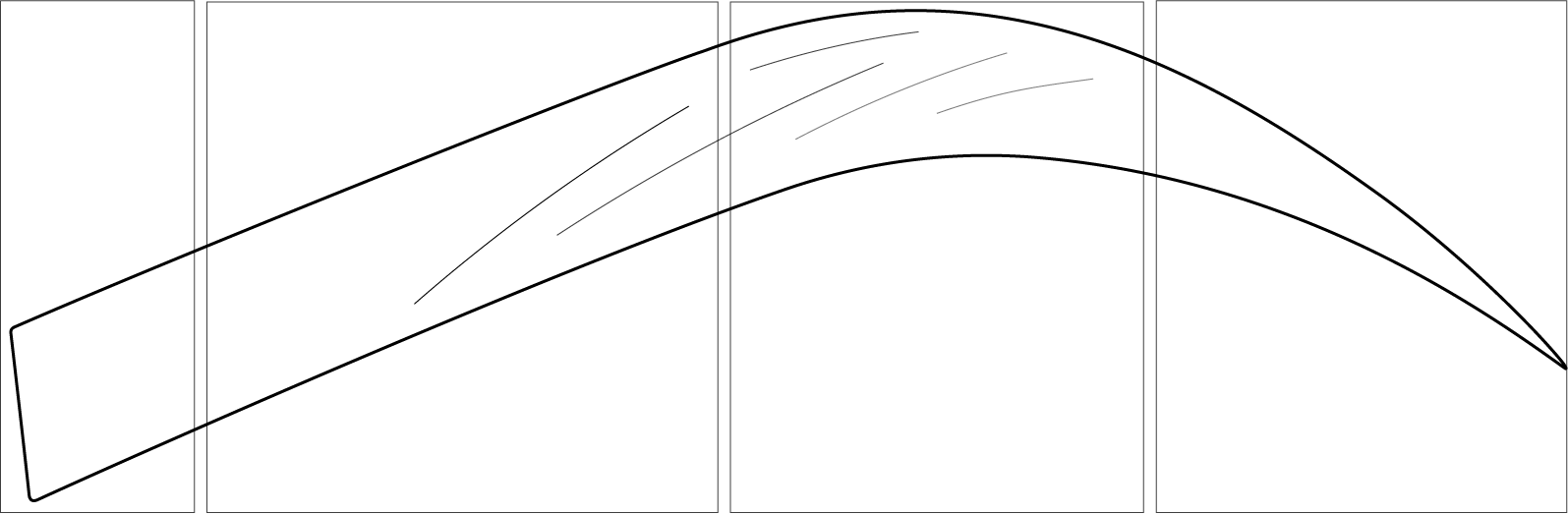
Elevated introduces converging flow—upper strokes angle slightly downward while lower strokes angle slightly upward, creating a subtle sense of lift. The convergence is restrained, producing elegance rather than drama.
The arch is typically positioned laterally (at 68-72% of brow length), contributing to the lifted appearance. The overall effect is sophisticated and modern.
Zone Characteristics
- Zone 1 (Head): Upper strokes angle slightly downward, lower strokes slightly upward, convergence angle 80-85°
- Zone 2 (Body): Continued convergence creating lift illusion, upper strokes 25-35° angling down, lower strokes 25-35° angling up
- Zone 3 (Tail): Convergence tightens through the tail, lifted terminus appearance
Ideal Client Profile
Elevated serves clients who:
- Desire a refreshed, lifted appearance
- Have features that benefit from vertical emphasis
- Appreciate contemporary luxury aesthetics
- Want subtle enhancement with modern edge
Technical Considerations
The convergence in Elevated must be subtle. Excessive convergence transforms the brow into Modern Edge territory. The technician must calibrate precisely to maintain the family's refined character.
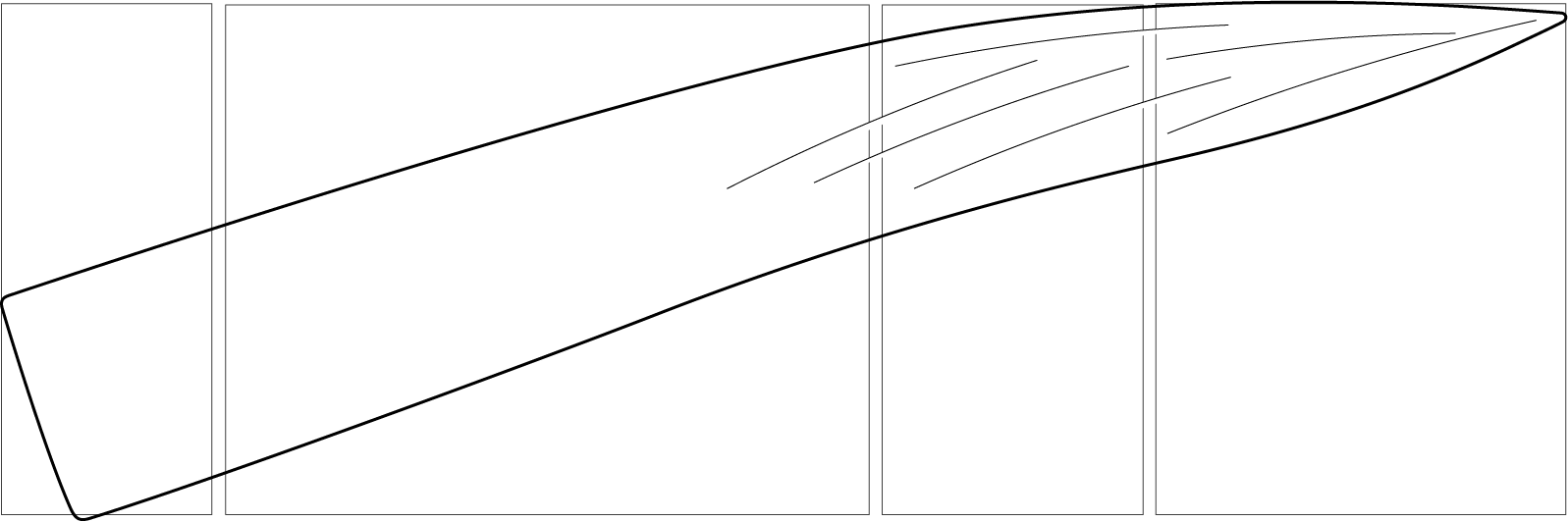
2.6 Modern Edge — The Graphic, Architectural Brow
Visual Signature
Modern Edge represents maximum convergence—upper and lower strokes angle decisively toward a shared axis, creating pronounced structural tension. This is the most architectural of the five families.
The brow appears sculpted and intentional. The tail features a characteristic "controlled re-opening" at the very terminus—a slight widening of the final 1-2 strokes that prevents the convergence from appearing pinched.
Zone Characteristics
- Zone 1 (Head): Upper strokes angle decisively downward, lower strokes decisively upward, convergence angle 75-85°
- Zone 2 (Body): Sharp convergence dominates, maximum structural tension, upper strokes 20-35° down, lower 20-35° up
- Zone 3 (Tail): Maximum convergence at terminus, 10-25° from horizontal, with controlled re-opening in final strokes
Ideal Client Profile
Modern Edge serves clients who:
- Embrace bold, contemporary aesthetics
- Have strong bone structure that supports graphic brows
- Work in fashion, design, or creative industries
- Want their brows to make an architectural statement
Technical Considerations
Modern Edge demands the highest technical precision. The convergence must be consistent and controlled. The re-opening at the terminus requires deliberate execution—too subtle and it disappears; too pronounced and it appears as an error.
2.7 Style Family Selection
Selecting the appropriate style family is a diagnostic decision, not an aesthetic preference. The technician must assess:
Facial Structure Factors
- Bone structure: Strong vs. delicate features influence which families the face can support
- Eye shape and position: Hooded, deep-set, or prominent eyes interact differently with each family
- Facial proportions: Forehead height, face length, and width ratios affect optimal arch positioning
- Existing asymmetry: Some families accommodate asymmetry better than others
Client Factors
- Professional environment: Conservative settings may require Classic or Soft Harmony
- Personal style: The brow should align with the client's overall aesthetic
- Maintenance capacity: Some families require more frequent touch-ups
- Age and skin condition: Mature skin may respond differently to dense stroke work
The Selection Process
During consultation, the technician should:
- Assess facial structure and identify compatible families
- Discuss client lifestyle and preferences
- Present 2-3 appropriate options with visual references
- Confirm selection and document the decision
The final selection should be a collaborative decision, but the technician must guide the process with professional expertise. A client requesting a family that conflicts with their facial structure should be gently redirected toward more suitable options.